
Perspective
The hidden cost of complexity
Complexity rarely arrives all at once.
It arrives one sensible decision at a time. A new tool to solve a real problem. A plugin for a feature someone needed that week. A second system, because the first one didn’t quite fit. Every one of them defensible. Every one of them, on its own, right.
Then one day someone asks a plain question, how many places do we keep customer data, or who actually owns this, and the room goes quiet.
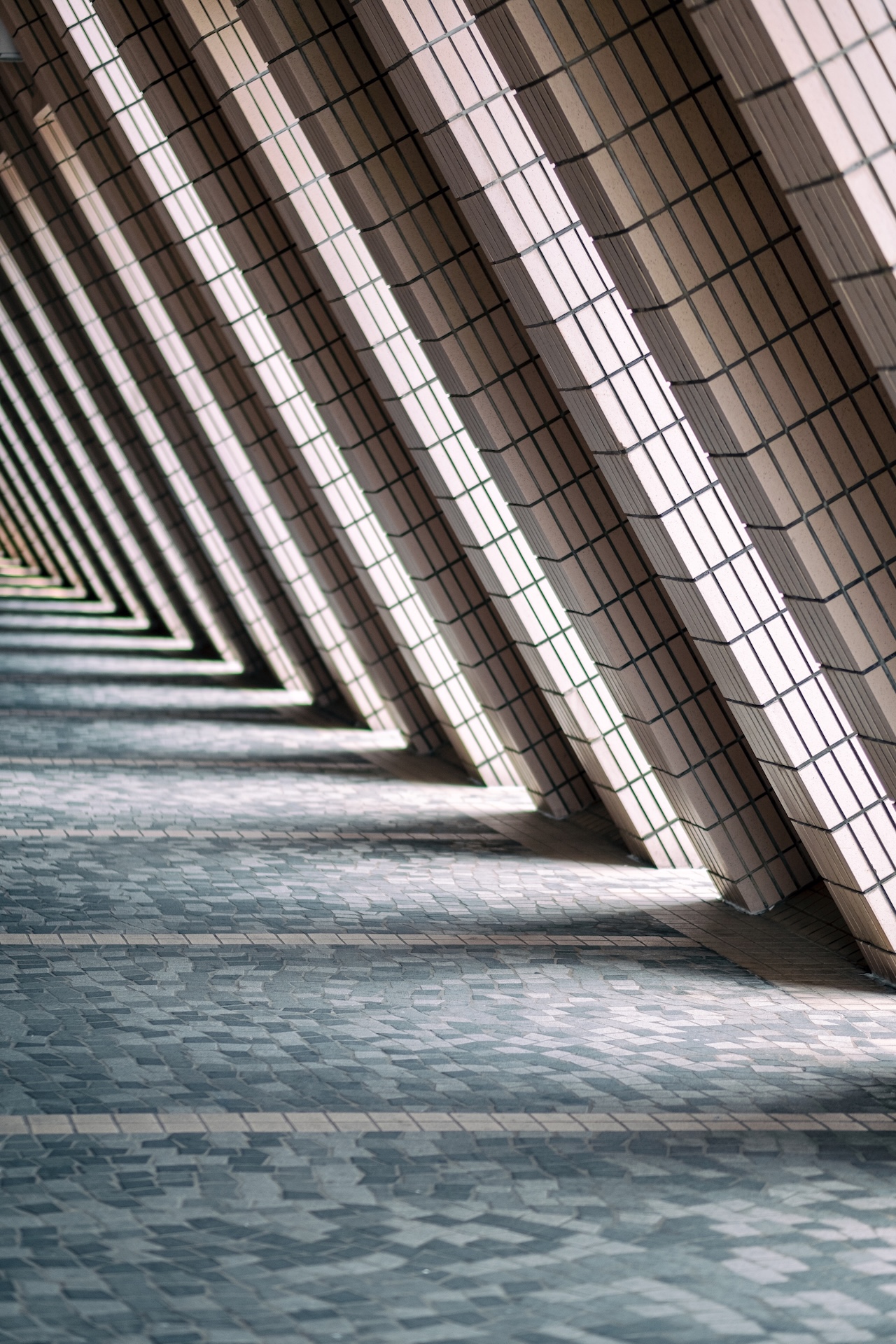
Complexity is rarely the result of one bad decision. It is the residue of a hundred good ones.
The interesting thing is that no single choice caused it. That is what makes complexity so hard to see, and harder to argue with. There is never a meeting where the sensible option is to stop. Each addition is small. The cost only shows up in aggregate, and by the time it does, it is load-bearing.
The bill arrives quietly. Small changes start to need three people and two logins. New joiners take months to learn where everything lives, because where everything lives is nowhere in particular. Nobody feels the weight in any single week, which is exactly why it is allowed to grow.
We’ve started to think of it less as a technology problem and more as a memory problem. Businesses remember why they added things far better than they remember why they might remove them. Addition feels like progress; subtraction feels like risk. So the estate only ever grows in one direction.
Which is why the useful work is rarely the clever new thing. More often it is the conversation nobody scheduled. What is this actually for. Who still uses it. What would we lose if it were gone. Simplicity, it turns out, is not something you buy. It is something you keep choosing, usually against the grain.